
Understanding Pfizer Drug Side Effects: Warning Signs, Risk Factors & When to Seek Care
Beginning with Understanding Pfizer Drug Side Effects: Warning Signs, Risk Factors & When to Seek Care, the narrative unfolds in a compelling and distinctive manner, drawing readers into a story that promises to be both engaging and uniquely memorable.
Exploring the realm of Pfizer drug side effects opens up a world of crucial information that can impact one’s health and well-being. It’s essential to grasp the nuances of warning signs, risk factors, and knowing when to seek care for a comprehensive understanding of this important subject.
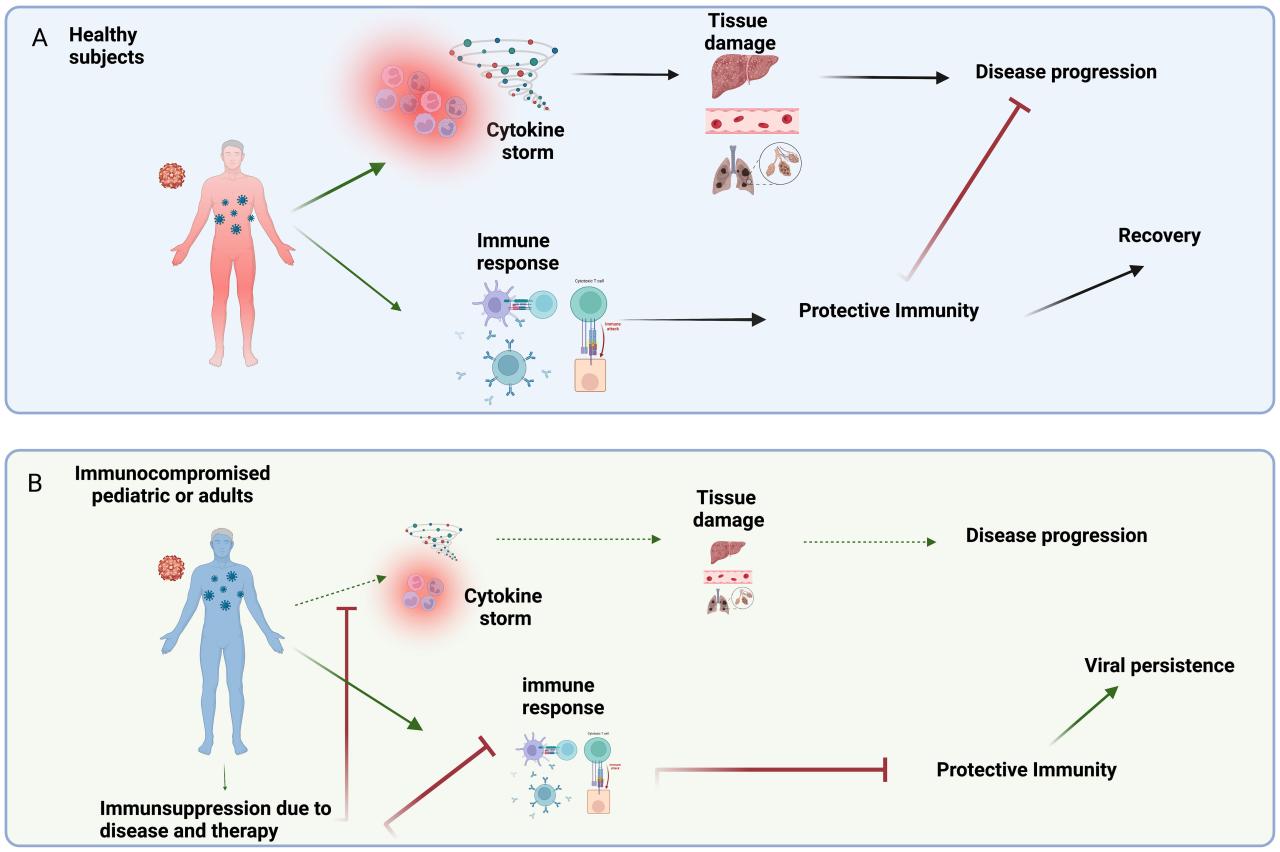
When taking medications from Pfizer, it’s important to be aware of potential side effects that may occur. These side effects can range from mild to severe and knowing what to look out for can help you take appropriate action.
It’s crucial to understand these common side effects so you can monitor your symptoms and report any concerns to your healthcare provider.
Being aware of the potential side effects of Pfizer medications is essential for your safety and well-being. By understanding these side effects, you can take proactive measures to address any issues that may arise and seek medical attention when necessary.
Recognizing warning signs of Pfizer drug side effects is crucial for timely intervention and management. These signs can vary depending on the type of medication and individual reaction.

When it comes to Pfizer drug side effects, certain risk factors can increase the likelihood of experiencing adverse reactions. Understanding these risk factors is essential to ensure safe and effective medication use.
Age plays a significant role in how individuals may respond to Pfizer drugs. Older adults tend to be more sensitive to medications due to changes in metabolism and organ function. This can increase the risk of side effects, especially when taking multiple medications simultaneously.
Pre-existing health conditions can also impact the severity of Pfizer drug side effects. Individuals with liver or kidney disease may have difficulty metabolizing drugs, leading to a higher concentration of the medication in the body. This can increase the risk of experiencing adverse reactions.
Drug interactions can significantly influence the risk of side effects when taking Pfizer medications. Combining certain drugs can alter their effects on the body, potentially leading to unexpected reactions. It is crucial to inform healthcare providers about all medications, including over-the-counter drugs and supplements, to prevent harmful interactions.

Knowing when to seek medical care for Pfizer drug side effects is crucial for your health and well-being. Ignoring certain symptoms can lead to serious complications, so it’s important to be aware of warning signs that require immediate attention.
If you experience any of the above symptoms or other severe side effects after taking a Pfizer drug, it is essential to seek medical help immediately. Do not hesitate to call emergency services or go to the nearest hospital. It is better to be cautious and get prompt medical attention to prevent any complications.
What are some common Pfizer drug side effects?
Common side effects of Pfizer drugs can include nausea, headache, dizziness, and fatigue. It’s essential to be aware of these and consult a healthcare provider if they persist.
How do risk factors influence Pfizer drug side effects?
Risk factors such as age, underlying health conditions, and medication interactions can impact the severity and likelihood of experiencing side effects from Pfizer drugs. Understanding these factors is crucial for managing potential risks.
When should one seek medical care for Pfizer drug side effects?
Medical attention should be sought immediately if severe symptoms like difficulty breathing, chest pain, or allergic reactions occur. It’s important not to ignore such signs and to follow healthcare provider recommendations.