
Private Healthcare Coverage: Comprehensive Guide to Hospital Plans & Specialist Care
Private Healthcare Coverage: Comprehensive Guide to Hospital Plans & Specialist Care sets the stage for this enthralling narrative, offering readers a glimpse into a story that is rich in detail and brimming with originality from the outset.
Exploring the nuances of private healthcare coverage, hospital plans, and specialist care opens up a world of possibilities for individuals seeking comprehensive medical assistance.
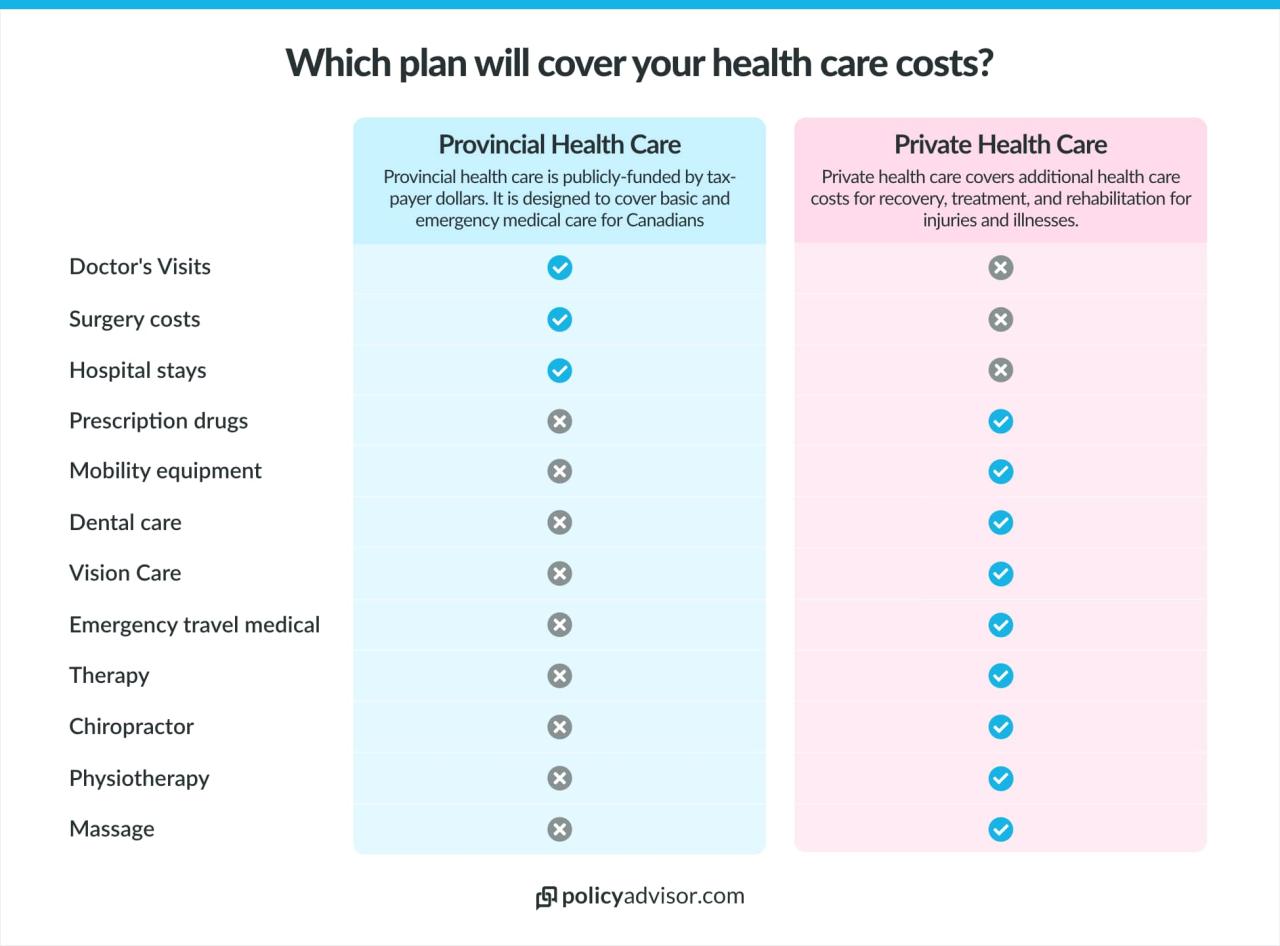
Private healthcare coverage refers to health insurance plans that individuals purchase from private providers to cover medical expenses. These plans offer a range of benefits, including access to private hospitals, specialist care, and shorter waiting times for procedures.
Public healthcare systems, funded by the government, provide essential medical services to all residents regardless of their ability to pay. While public healthcare is more affordable and accessible, it often comes with longer waiting times for specialist care and elective procedures.
Private healthcare coverage offers individuals the flexibility to choose their healthcare providers, access specialized treatments, and receive care in a more timely manner, albeit at a higher cost.
When it comes to private healthcare coverage, there are various types of hospital plans that individuals can choose from based on their needs and budget. These plans offer different levels of coverage for hospital stays and related medical expenses.
Basic hospital plans typically cover essential medical services such as inpatient care, surgery, and emergency treatment. These plans may have lower coverage limits compared to more comprehensive options but provide a cost-effective solution for individuals looking for basic coverage.
Comprehensive hospital plans offer broader coverage, including additional services like specialist consultations, diagnostic tests, and rehabilitation. These plans usually have higher coverage limits and may include benefits such as coverage for chronic conditions or maternity care.
High-deductible hospital plans require policyholders to pay a higher deductible before the insurance coverage kicks in. While the out-of-pocket costs are initially higher, these plans often come with lower monthly premiums, making them a suitable option for individuals looking to save on monthly expenses.
Some insurance providers offer specialized hospital plans tailored to specific medical needs or conditions. These plans may cover treatments not included in standard hospital plans, such as alternative therapies, mental health services, or overseas medical treatment.
It’s essential to review the coverage limits, inclusions, and exclusions of each hospital plan carefully. Coverage limits determine the maximum amount the insurance will pay for specific services, while exclusions Artikel services or treatments not covered by the plan.
The costs associated with different hospital plans can vary based on the level of coverage, deductible amounts, and additional benefits included. It’s essential to compare the costs of various plans to find one that meets your healthcare needs while remaining within your budget.
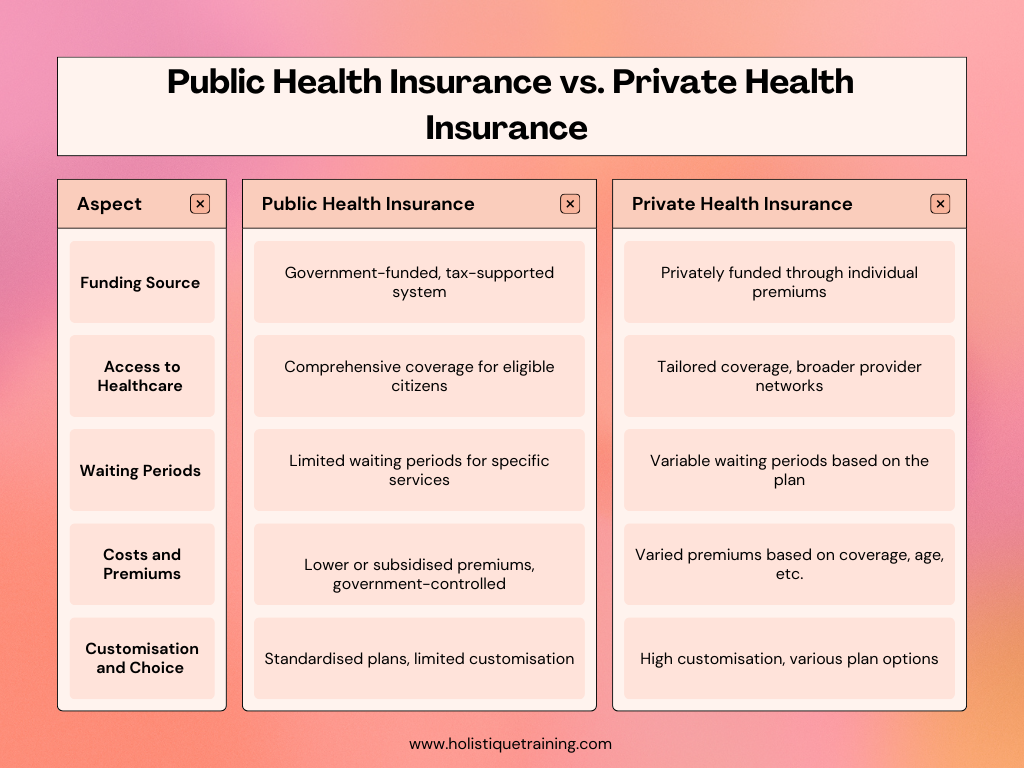
Specialist care plays a crucial role in private healthcare coverage, providing patients access to highly trained medical professionals who focus on specific areas of health. This ensures that individuals receive specialized care tailored to their unique needs and conditions, leading to better health outcomes.
Accessing specialist care under private healthcare coverage typically involves the following steps:

When it comes to choosing the right private healthcare plan, there are several factors to consider to ensure you are getting the coverage that best suits your needs. Here are some tips on how to customize a plan to fit your individual healthcare requirements and the process of upgrading or downgrading a private healthcare plan.
What is the coverage limit for hospital plans?
The coverage limit for hospital plans varies depending on the type of plan chosen, with some offering unlimited coverage while others have specific limits for certain treatments. It is important to carefully review the details of each plan before making a decision.
How can one access specialist care under private healthcare coverage?
Accessing specialist care under private healthcare coverage usually requires a referral from a primary care physician. Once the referral is obtained, individuals can schedule appointments with the specialist of their choice within the network of providers covered by their plan.
What factors should be considered when selecting a private healthcare plan?
When choosing a private healthcare plan, factors such as coverage options, network of providers, cost, and additional benefits should be carefully considered to ensure that the plan meets individual healthcare needs effectively.