
Master of Health Care Administration: Top Degree Programs, Costs, and Salary Outlook
As Master of Health Care Administration: Top Degree Programs, Costs, and Salary Outlook takes center stage, this opening passage beckons readers into a world crafted with good knowledge, ensuring a reading experience that is both absorbing and distinctly original.
Delve into the details of the top programs, costs, and salary outlook in the field of Health Care Administration, providing a comprehensive guide for aspiring students and professionals alike.
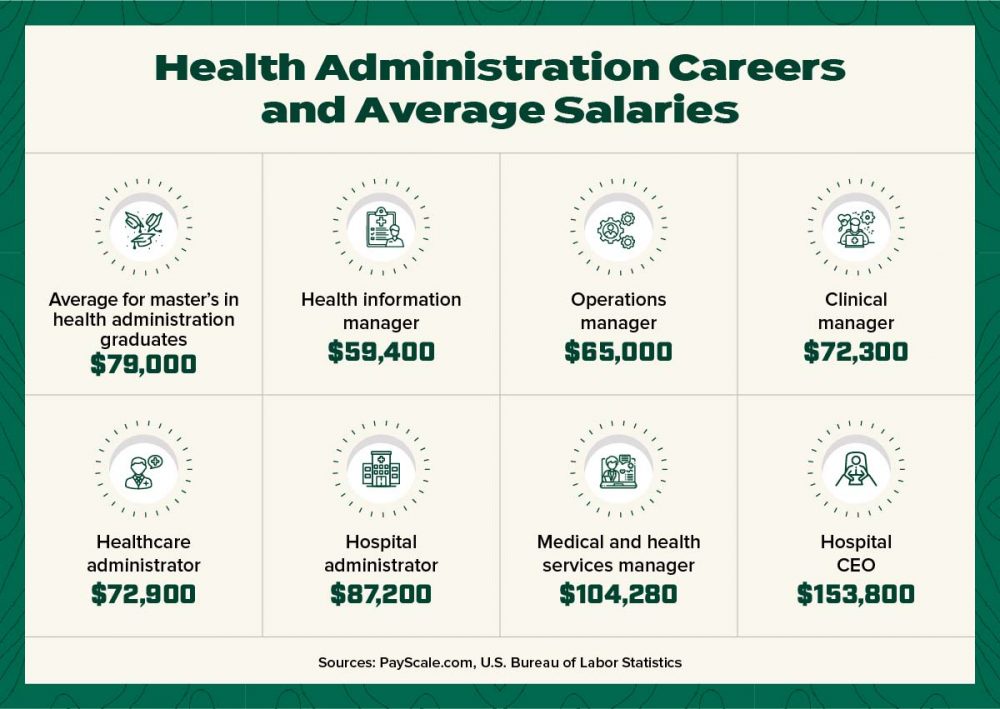
In the field of Health Care Administration, several universities stand out for offering top-notch programs that prepare students for leadership roles in healthcare organizations. Below are the top 5 universities offering Master of Health Care Administration programs along with key details about each program.
The University of Washington’s Master of Health Administration program is known for its strong focus on experiential learning and leadership development. Students have the opportunity to choose from specialized tracks such as Health Services Management or Health Policy, which allows them to tailor their education to their career goals.
Admission requirements include a bachelor’s degree, GRE scores, letters of recommendation, and a personal statement.
The University of Michigan offers a Master of Health Services Administration program that emphasizes interprofessional collaboration and innovation in healthcare delivery. Students can choose from concentrations like Health Informatics or Global Health Management. Admission requirements typically include a bachelor’s degree, GRE or GMAT scores, letters of recommendation, and a resume.
Johns Hopkins University’s Master of Health Administration program is known for its strong focus on health policy and management. Students can choose from concentrations such as Population Health Management or Health Finance. Admission requirements include a bachelor’s degree, GRE or GMAT scores, letters of recommendation, and a statement of purpose.
The University of Minnesota offers a Master of Healthcare Administration program that prepares students for leadership roles in various healthcare settings. Students can choose from concentrations like Long-Term Care Administration or Health Information Management. Admission requirements typically include a bachelor’s degree, GRE or GMAT scores, letters of recommendation, and a personal statement.
The University of Alabama at Birmingham’s Master of Science in Health Administration program is designed to equip students with the skills needed to succeed in the rapidly changing healthcare industry. Students can choose from tracks such as Healthcare Quality & Safety or Health Informatics.
Admission requirements include a bachelor’s degree, GRE or GMAT scores, letters of recommendation, and a resume.
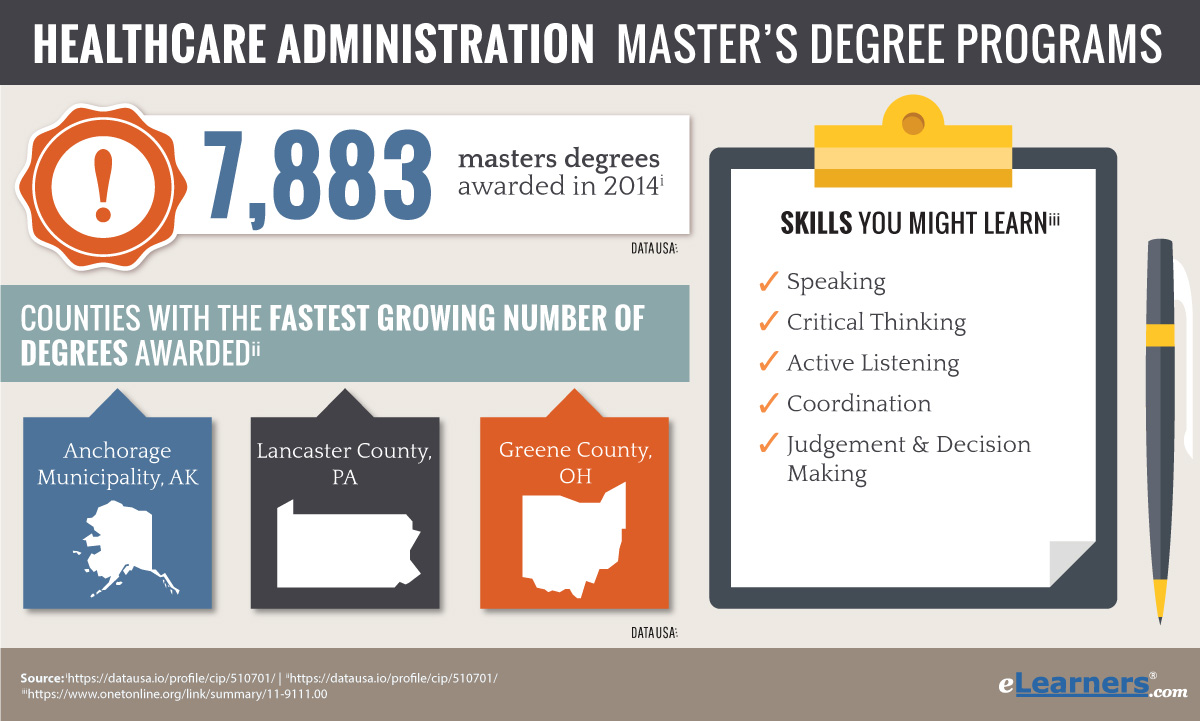
When considering pursuing a Master of Health Care Administration (MHA) program, it is crucial to understand the associated costs involved. From tuition fees to additional expenses, let’s delve into the financial aspects of obtaining this advanced degree.
Many universities offer scholarships, grants, and financial aid options to help students offset the cost of their MHA programs. It is advisable to research and apply for these opportunities to reduce the financial burden.
In addition to tuition fees, students must consider other expenses such as books, materials, and living costs. These costs can vary depending on the location of the university and the student’s lifestyle.
While pursuing a Master of Health Care Administration program requires a financial investment, it is essential to consider the potential return on investment. Graduates with an MHA degree often have access to lucrative career opportunities in the healthcare industry, making it a worthwhile investment in the long run.
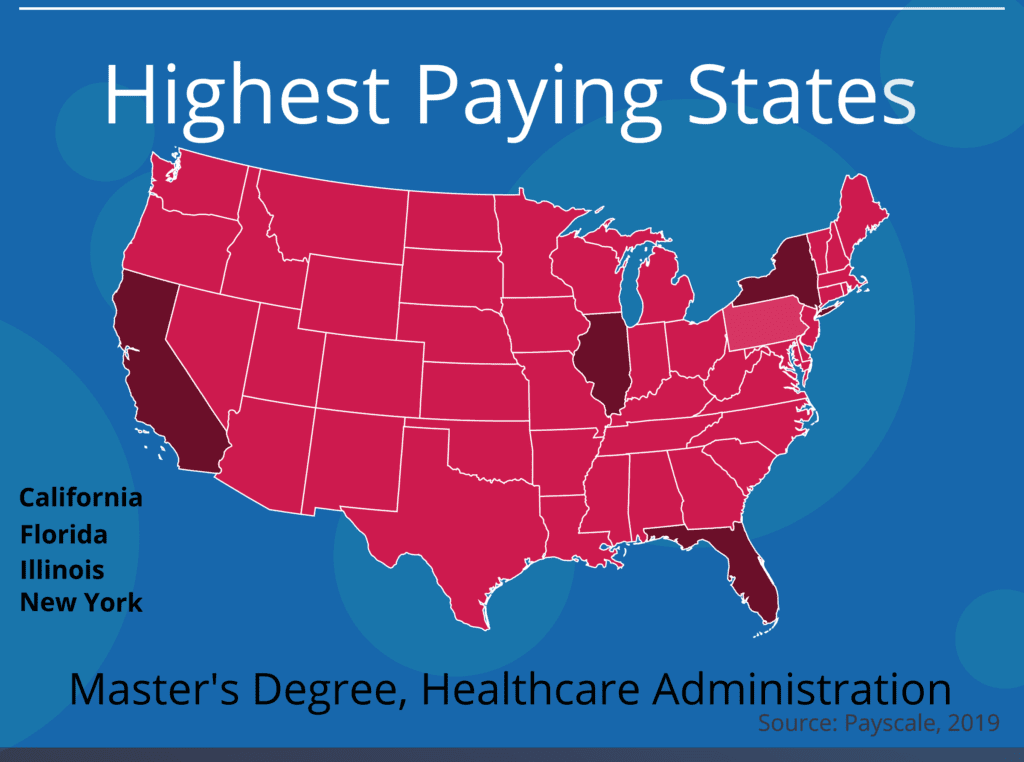
The salary outlook for graduates with a Master of Health Care Administration is promising, with competitive compensation packages available in the healthcare industry due to the importance of healthcare administration in managing healthcare facilities efficiently.
According to the Bureau of Labor Statistics, the average salary for healthcare administrators with a master’s degree is around $100,980 per year. However, salaries can vary based on factors such as location, years of experience, and the specific healthcare organization.
Graduates with a Master of Health Care Administration can pursue various roles such as Health Services Manager, Healthcare Executive, Hospital Administrator, Medical Practice Manager, and Clinical Manager. These positions involve overseeing operations, managing staff, and ensuring the delivery of quality healthcare services.
Several factors can influence the salary levels of healthcare administrators, including the size and type of healthcare organization, geographic location, level of experience, additional certifications, and specialized skills. Strong leadership abilities, financial acumen, and strategic planning skills can also impact salary levels positively.
Healthcare administrators with a Master’s degree have excellent career growth opportunities, with the potential to advance to higher-level executive positions such as Chief Executive Officer (CEO), Chief Operations Officer (COO), or Chief Financial Officer (CFO) within healthcare organizations. Continuous professional development, networking, and staying updated with industry trends can further enhance career advancement prospects for graduates in this field.
What are the admission requirements for Master of Health Care Administration programs?
Admission requirements typically include a bachelor’s degree, letters of recommendation, GRE scores, and a statement of purpose. Each university may have specific criteria, so it’s essential to check with the program directly.
Are there any scholarships or financial aid options available for Master of Health Care Administration students?
Yes, many universities offer scholarships, grants, and financial aid packages to help students with the costs of pursuing this degree. It’s advisable to research and apply for these opportunities early.
What is the average salary range for graduates with a Master of Health Care Administration?
The average salary range for graduates in this field varies but generally falls between $70,000 to $120,000 per year, depending on factors such as experience, location, and job role.