
Small Business Health Insurance: How to Find Affordable Group Plans & Tax Credits
Small Business Health Insurance: How to Find Affordable Group Plans & Tax Credits delves into the intricacies of securing cost-effective health coverage for small enterprises. This introductory segment aims to captivate readers with insights that promise a deep dive into the world of group health insurance and tax credits, offering a unique and informative perspective.
The following paragraphs will shed light on the nuances of this essential topic, providing valuable guidance for businesses navigating the realm of healthcare benefits for their employees.

Small business health insurance plays a crucial role in providing financial protection and access to healthcare for employees of small businesses. It helps attract and retain talented employees while promoting overall well-being and productivity in the workplace.
Individual health insurance plans are purchased by individuals to cover themselves and their families, while group health insurance plans are offered by employers to their employees. Here are some key differences:
Providing group health insurance to employees can have several benefits for both the employer and the employees:
When it comes to finding affordable group health insurance plans for your small business, there are several key factors to consider. By researching and comparing different options, understanding what influences the cost, and negotiating rates with insurance providers, you can find a plan that fits your budget while providing valuable coverage for your employees.
Before making a decision, take the time to research and compare different group health insurance plans. Look at the coverage options, network of providers, and costs associated with each plan. Consider working with a broker who can help you navigate the complexities of insurance offerings and find the best fit for your business.
When negotiating with insurance providers, be prepared to ask questions and discuss your needs openly. Consider bundling services or adjusting coverage levels to lower costs. Emphasize the value of your business as a group policyholder and explore options for discounts or incentives that may be available.
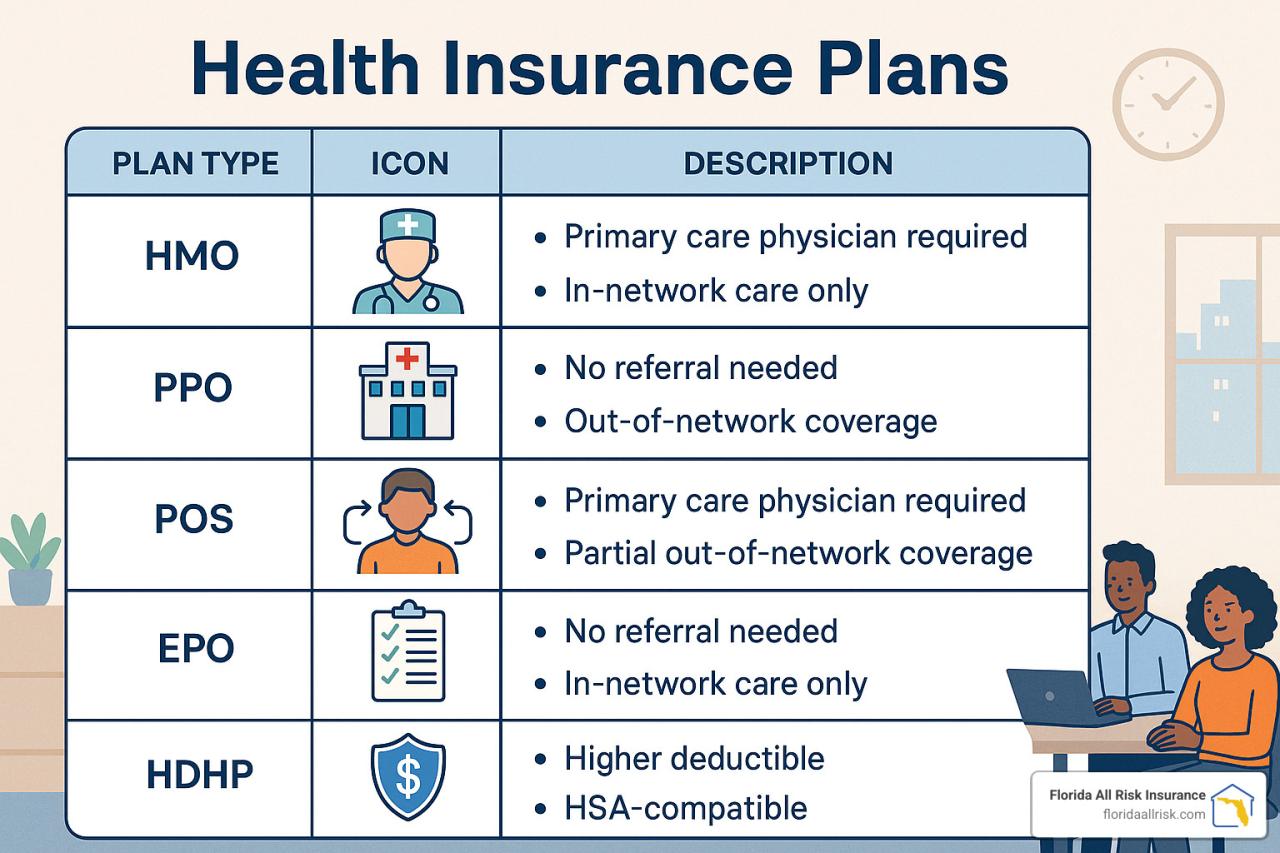
Small businesses can take advantage of tax credits related to health insurance to help offset costs and provide coverage for their employees.
The Small Business Health Care Tax Credit is designed to assist small businesses and tax-exempt organizations in offering health insurance coverage to their employees. This credit can help make premiums more affordable for both the employer and employees.
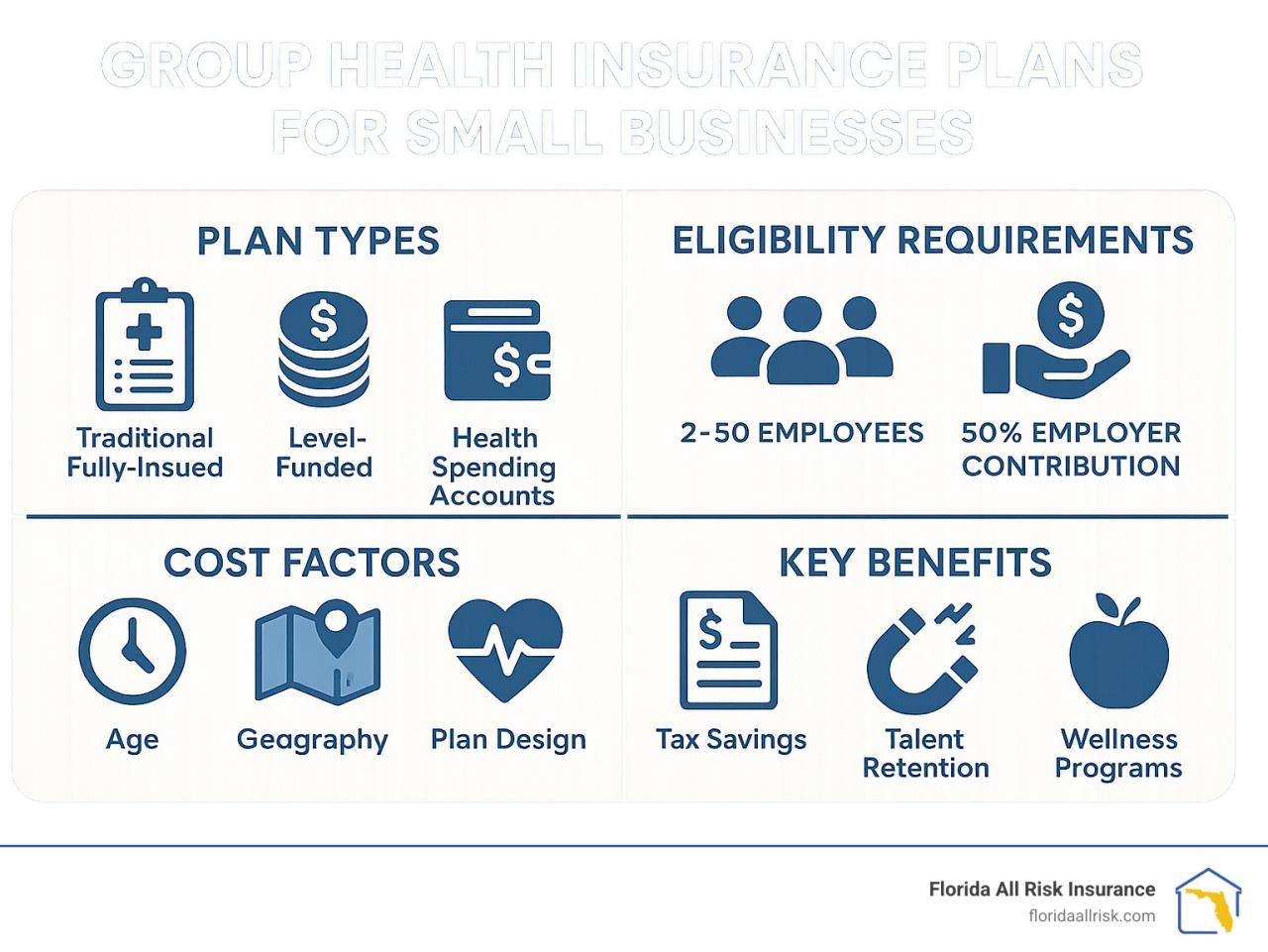
Small businesses must adhere to a variety of state and federal regulations when offering health insurance to their employees. These regulations are in place to ensure fair and consistent coverage for all employees and to protect their rights.
The Affordable Care Act (ACA) has had a significant impact on small business health insurance options. One of the key provisions of the ACA is the requirement for businesses with 50 or more full-time employees to provide health insurance or face penalties.
This has prompted many small businesses to explore group health insurance plans to comply with the law.
There are several resources available to help small businesses stay updated on changing regulations and requirements related to health insurance:
What are the key differences between individual and group health insurance plans?
Individual plans cater to one person, while group plans cover a group of people, typically employees of a business. Group plans often offer lower premiums due to the shared risk among members.
How can small businesses qualify for tax credits related to health insurance?
Small businesses can qualify for tax credits by meeting certain criteria such as having fewer than 25 full-time equivalent employees, paying average annual wages below a certain threshold, and covering at least 50% of employees’ premium costs.
What are some strategies for negotiating affordable rates with insurance providers?
Negotiating affordable rates can involve seeking quotes from multiple providers, leveraging the size of your employee pool to secure better rates, and exploring different plan options to find the most cost-effective solution.