
Group Health Insurance vs Individual Health Insurance
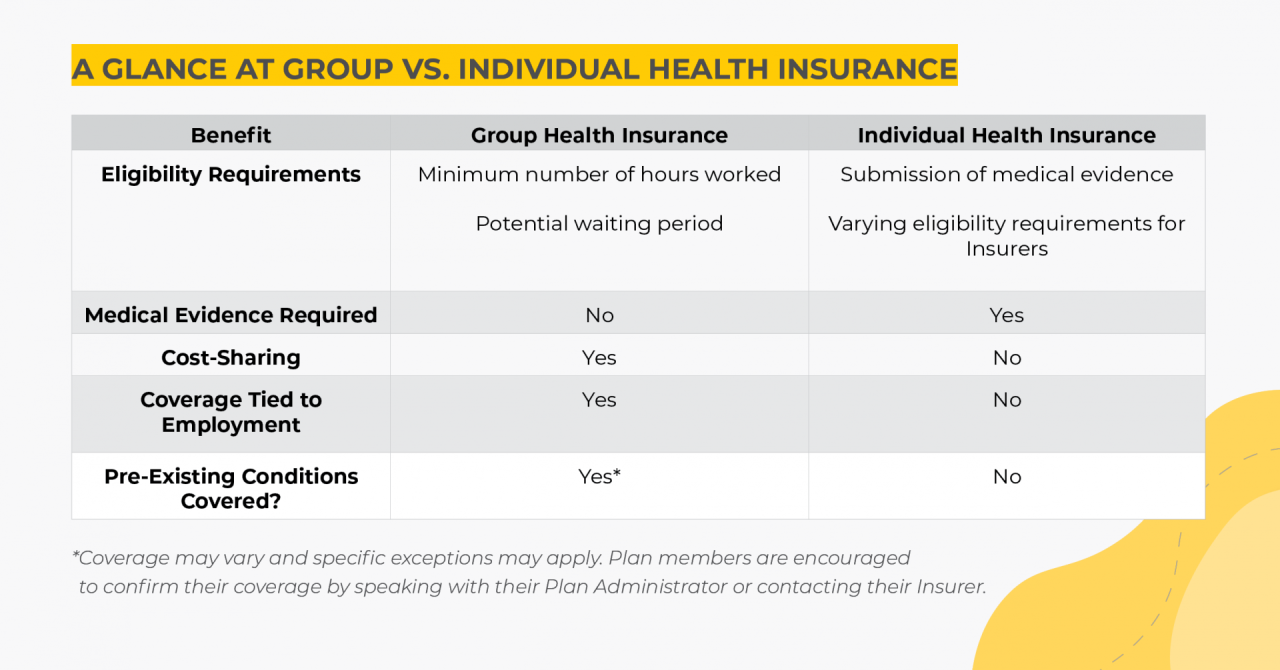
Group health insurance and individual health insurance are two common options for obtaining healthcare coverage. Group health insurance is typically provided by an employer to a group of employees, while individual health insurance is purchased by an individual directly from an insurance company.
Advantages of Group Health Insurance over Individual Health Insurance
- Cost: Group health insurance is often more affordable as the risk is spread across a larger group of people.
- Benefits: Group plans may offer more comprehensive coverage and additional benefits compared to individual plans.
- Eligibility: Group plans may have more lenient eligibility requirements, making it easier for individuals with pre-existing conditions to obtain coverage.
- Stability: Group plans are generally more stable as they are not dependent on individual circumstances or health status.
Benefits of Individual Health Insurance compared to Group Health Insurance
- Customization: Individual health insurance allows for more customization in terms of coverage options and deductibles.
- Portability: Individual plans are portable, meaning you can keep your coverage even if you change jobs or leave a group plan.
- Control: With an individual plan, you have more control over your coverage choices and can tailor the plan to your specific needs.
- Privacy: Individual health insurance offers more privacy as your coverage is not tied to a group or employer.
Cost Analysis
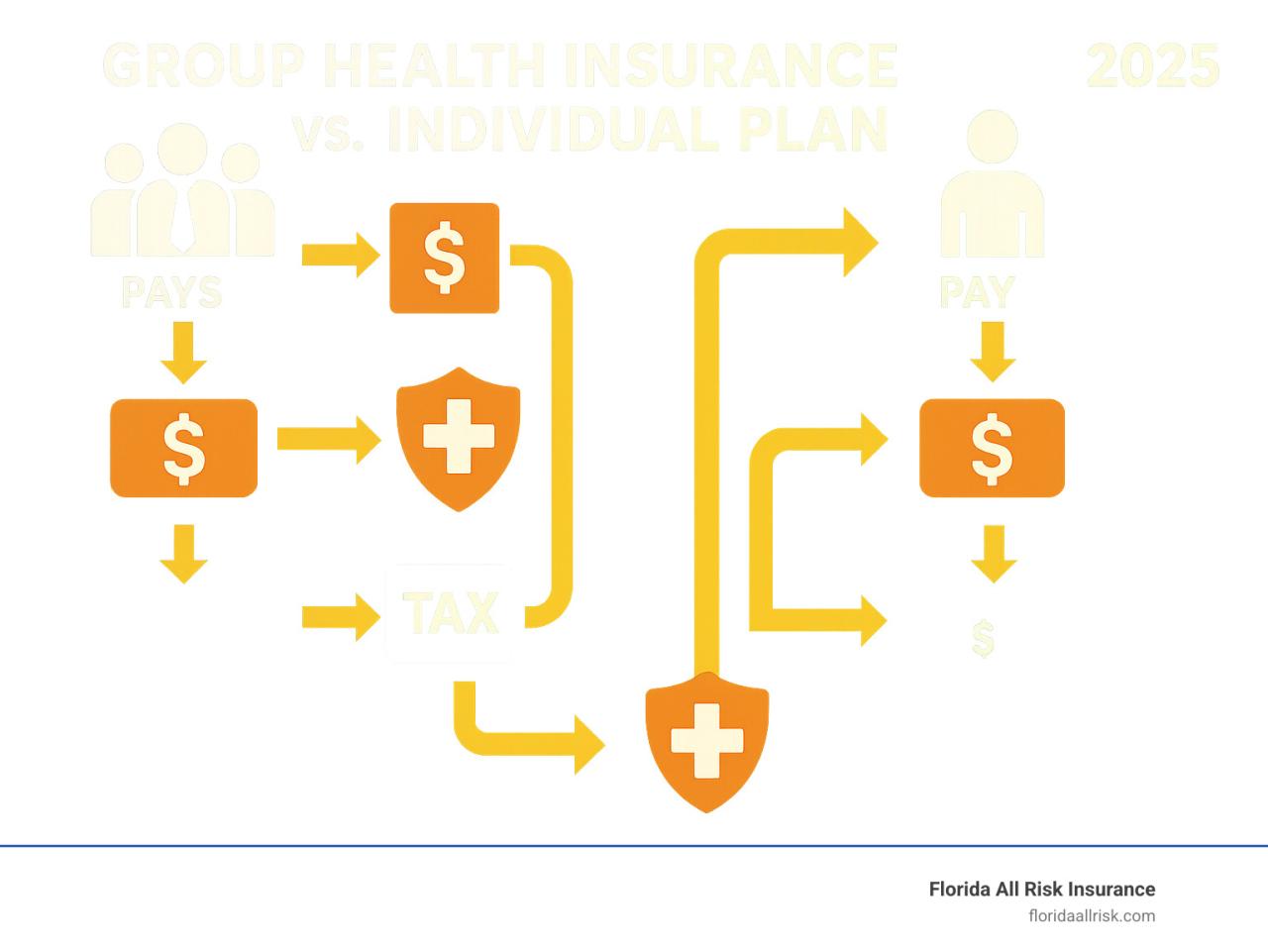
When comparing group health insurance plans to individual health insurance plans, it is essential to consider the costs associated with each option. Group plans and individual plans have different cost structures that can impact the overall affordability and coverage provided.
Let's delve into the specifics of how premiums, deductibles, and out-of-pocket costs differ between the two types of plans.
Premiums
In a group health insurance plan, the premiums are typically shared between the employer and the employees. This means that the cost of premiums is spread out among a larger group of individuals, resulting in lower monthly payments for each person.
On the other hand, individual health insurance plans require the policyholder to pay the full premium amount, which can be higher compared to group plans due to the lack of shared costs.
Deductibles
Group health insurance plans often have lower deductibles compared to individual plans. This is because the risk is spread across a larger pool of individuals in a group plan, leading to lower individual deductible amounts. In contrast, individual health insurance plans may have higher deductibles, which means that the policyholder has to pay more out of pocket before the insurance coverage kicks in.
Out-of-Pocket Costs
When it comes to out-of-pocket costs, group health insurance plans tend to offer more predictable expenses for employees. Co-pays and coinsurance amounts are usually lower in group plans, making it easier for individuals to budget for healthcare expenses. On the other hand, individual health insurance plans may have higher out-of-pocket costs, especially for services not covered by the policy, leading to potential financial strain for the policyholder.
Coverage Options in Group and Individual Health Insurance
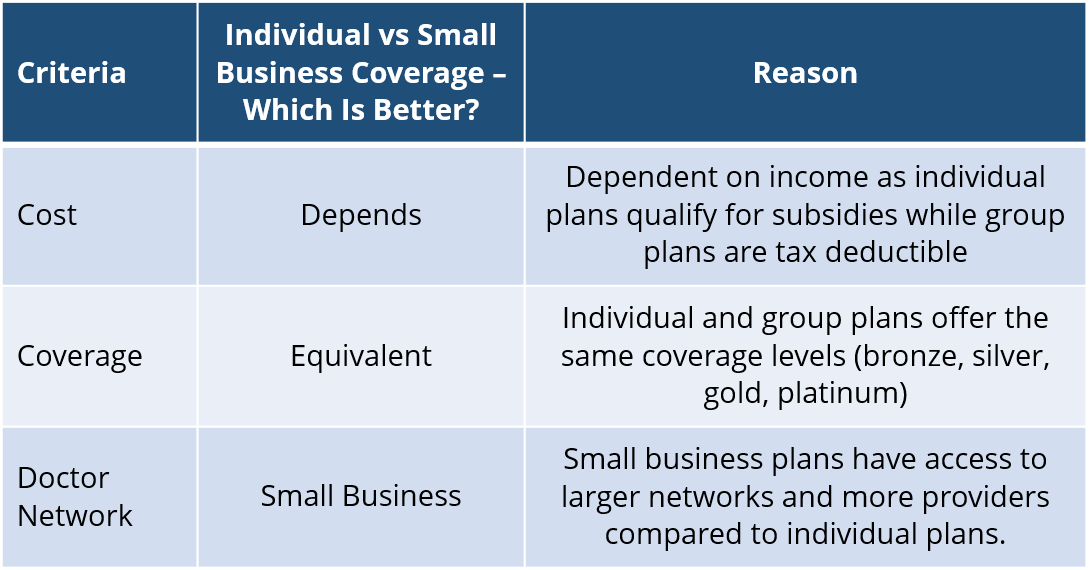
In both group health insurance and individual health insurance plans, the coverage options play a crucial role in determining the level of protection and benefits for policyholders or employees.
Coverage Options in Group Health Insurance Plans
Group health insurance plans typically offer comprehensive coverage options that cater to a large pool of employees. These plans often include benefits such as medical, dental, vision, and prescription drug coverage
The coverage options in group health insurance plans are designed to suit the needs of a diverse group of individuals within a company or organization.
Flexibility of Coverage Options in Individual Health Insurance Plans
Individual health insurance plans offer more flexibility in coverage options compared to group plans. Policyholders have the freedom to customize their plans based on their specific needs and preferences. They can choose the level of coverage for medical services, prescription drugs, and other healthcare needs.
Individual plans also allow for the inclusion of additional benefits like alternative medicine, chiropractic care, or specific disease management programs. This flexibility gives individuals more control over their healthcare coverage.
Differences in Coverage for Employees or Policyholders
The main difference in coverage between group health insurance and individual health insurance lies in the level of customization and personalization. Group plans provide a standard set of benefits for all employees within a company or organization, whereas individual plans allow policyholders to tailor their coverage to suit their individual needs.
Group plans are more cost-effective due to the shared risk among a larger group of individuals, while individual plans offer more personalized coverage options at a potentially higher cost. Ultimately, the choice between group and individual health insurance plans depends on the specific needs and preferences of the policyholders or employees.
Employee Benefits and Considerations
When it comes to choosing between group health insurance plans and individual health insurance for employees, there are several factors to consider. Employers need to weigh the benefits that employees can access through group health insurance plans against the considerations that come with each option.
Understanding how employee needs and preferences impact the decision-making process is crucial in selecting the right health insurance plans for the workforce.
Benefits of Group Health Insurance for Employees
- Access to comprehensive coverage at a lower cost due to group rates negotiated by the employer.
- Potential for additional benefits such as wellness programs, dental, and vision coverage.
- Eliminates the need for medical underwriting, making it easier for employees with pre-existing conditions to get coverage.
- Offers a sense of security and peace of mind knowing that healthcare expenses are covered.
Considerations for Employers
- Cost implications for the employer in terms of premiums and contributions towards employee coverage.
- Administrative complexities associated with managing a group health insurance plan.
- Flexibility in plan options and customization for employee needs.
- Compliance with regulatory requirements and offering competitive benefits to attract and retain talent.
Impact of Employee Needs and Preferences
- Employee demographics and health profiles play a crucial role in determining the most suitable health insurance option.
- Employee feedback and input can help tailor health insurance plans to better meet the needs of the workforce.
- Preference for certain benefits like telemedicine, mental health coverage, or flexible spending accounts can influence the decision-making process.
FAQ Guide
What are the key differences between group health insurance and individual health insurance?
Group health insurance typically covers a group of people under a single policy, often offered by employers, whereas individual health insurance is purchased by individuals to cover themselves and their families.
How do the costs compare between group health insurance plans and individual health insurance plans?
Group health insurance plans tend to be more cost-effective as the risk is spread across a larger group, resulting in lower premiums compared to individual plans.
What employee benefits can be accessed through group health insurance plans?
Employees under group health insurance plans usually have access to comprehensive coverage, often at lower costs than individual plans, with the employer often covering a significant portion of the premiums.